No.1 何故戦争・紛争を止められない?早急に求められる国連改革!!
No.1 何故戦争・紛争を止められない?早急に求められる国連改革!!
アメリカでトランプ大統領が再び就任して以来、
その強烈な発言や独自路線の外交姿勢が
世界中で物議を醸しています。
個人的には「さすがに極端では?」と思う部分もありますが、同時に、
世界の一般的な合意とは異なる視点から問題提起している点は、
決して無視できないとも感じています。
そして最近、とくに注目されているのが
国連(国際連合)へのトランプ政権の姿勢 です。
国連に対する厳しい要求や批判——
この点については、実は私も以前から疑問を持っていたため、
部分的には共感するところもあります。
 イメージ
イメージ
■ ニューヨークで感じた国連の「象徴性」と現実
少し余談ですが、約30年前、私がニューヨークで
研修を受けていた時のこと。
国連本部のすぐ近くに住むスタッフの家を訪れる機会が多く、
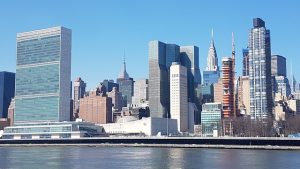
通り沿いにそびえる国連ビルと、各国の旗がはためく光景は圧巻でした。
冷戦が終結し、「これから国連が世界の平和をリードしていく」と
信じられていた時代。
世界中の人々が行き交い、活力に満ちていたマンハッタンの街並みは、
まさに国際協調の象徴でした。
しかし、深夜に徒歩で帰宅する際、数人の黒人男性にじっと睨まれて
怖い思いをしたこともあります。
「日本とは違う」という現実を肌で感じた瞬間でもありました。
■ 改めて問われる国連の役割
国連の主な任務は次の通りです:
- 平和と安全の維持
停戦監視、武装解除、平和維持活動(PKO)、紛争後の復興支援など。
- 国際協調とルール形成
気候変動、環境保全、保健、移民・難民問題、核不拡散など。
- 開発・貧困削減
SDGs、技術協力、UNDP・UNICEF などの支援活動。
学校でも習う内容ではありますが、
現実には十分に機能していない面があるのも事実 です。
 イメージ
イメージ
■ なぜ「国連は機能していない」と言われるのか?
最も象徴的なのが、ロシアによるウクライナ侵攻 です。
- 国連安全保障理事会では非難決議を出しても
- 常任理事国であるロシア・中国が拒否権を行使するため
- 何一つ有効な措置を取れない
これでは「国際平和の維持」は実現できません。
さらに、パレスチナ情勢 でもアメリカが拒否権を行使し、
決議が成立しない状況が続いています。
トランプ大統領が仲介し一時的な停戦に至ったものの、
今後の見通しは依然として不透明です。
■ 2025年現在:トランプ政権が掲げる主な対国連政策
現時点で報じられている主な主張と実際の動きを整理します。
| 主張・施策 | 内容 | 実際の動き・留意点 |
| 国連解散論/反国連姿勢 | 「国連は無駄だ」「国連を解散すべきだ」といった強硬発言 | 国連を解散させることは、1国の大統領では不可能。加盟国全体の合意が必要で、現実性は低い。 |
| 拠出金・予算削減 | 通常予算・PKO予算を大幅削減、ゼロ化も示唆 | 実際に米議会では、平和維持活動予算(CIPA)削減案が継続審議中。予算の“任意化”も検討されている。 |
■ 実際にトランプ案は実行可能なのか?
結論から言えば ハードルは極めて高い です。
- アメリカ議会の承認が必要
- 国連憲章との整合性
- 他の常任理事国・加盟国との調整
- 国際社会からの反発
とくに、国連憲章では加盟国の“分担金支払い義務”が
明記されていると解釈されており、
アメリカが一方的にゼロ化することは国際法上の摩擦を生む可能性があります。
しかし同時に、国連が安保理で停滞を続ける中、「国連不要論」 が
徐々に広がっているのも事実です。
■ 私自身の考え:国連の再構築は避けられない
国連は、戦後すぐの世界情勢を前提に作られた仕組みです。
ロシアや中国が拒否権を持つ現体制では、冷戦後の紛争や新たな国際問題に
十分対応できていません。
私は、国際平和の象徴としての国連は必要である と考えます。
しかし同時に、
- 安保理の構造見直し
- 拒否権の制限
- 予算の透明性向上
- 新しい加盟国構造
など、抜本的な改革が求められているのも確かです。
世界が新しい秩序を模索している今、
「国連の再構築」こそが次のステージに進む鍵 だと感じています。
続く!
No.1 Why Can’t We Stop Wars and Conflicts?
The Urgent Need for United Nations Reform**
Since Donald Trump returned to the White House,
his bold remarks and unconventional diplomatic style
have sparked intense debate around the globe.
Personally, I sometimes feel his stance is “too extreme,”
yet at the same time,
I recognize that his ability to question
long-standing assumptions from an entirely different angle
is something we cannot simply dismiss.
Recently, one issue in particular has drawn global attention:
the Trump administration’s confrontational approach toward
the United Nations (UN).
His sharp criticism and tough demands are, in fact,
points I have questioned myself for years—so in some ways,
I understand where he is coming from.
image
The UN’s Symbolism and the Reality I Saw in New York
Let me briefly share a personal memory.
About thirty years ago,
when I was undergoing training in New York,
I often visited the homes of colleagues living
near UN Headquarters.
The towering UN building along the avenue and
the flags of member states fluttering in the wind created an unforgettable,
almost majestic sight.
It was a time of optimism,
just after the end of the Cold War.
Many firmly believed that the UN would lead the world into
a new era of peace.
Manhattan was vibrant, full of people from around the world—
a living symbol of global cooperation.
Yet, reality sometimes revealed a harsher side.
One night, as I walked home,
several Black men stared intensely at me, and I felt genuine fear.
It was a moment that reminded me sharply:
“This isn’t Japan.”
What the UN Is Supposed to Do
The UN was established with three major missions:
- Maintaining Peace and Security
Ceasefire monitoring, disarmament,
peacekeeping operations (PKO), and post-conflict reconstruction.
- Promoting International Cooperation and Global Rules
Climate change, environmental protection, global health,
migration and refugee issues, nuclear non-proliferation.
- Development and Poverty Reduction
SDGs, technical cooperation, and aid efforts through
organizations such as UNDP and UNICEF.
These missions are familiar from school textbooks,
yet in practice,
the UN often struggles to fulfill them effectively.
image
Why People Say the UN “No Longer Functions”
The most symbolic example is Russia’s invasion of Ukraine.
- Even when the UN Security Council adopts a draft resolution condemning Russia,
- Russia and China—as permanent members—exercise their veto power,
- preventing any concrete measures from being implemented.
Under such a system, achieving
“international peace and security” is nearly impossible.
A similar paralysis occurs in the Israel–Palestine conflict,
where the United States frequently uses its veto power,
blocking resolutions.
Although President Trump mediated a temporary ceasefire,
the long-term outlook remains unclear.
As of 2025: Trump’s Key Policies Toward the UN
Here is a simplified summary of his administration’s major positions
and actions:
| Policy / Position | Description | Reality Check |
| Calls to dissolve the UN / openly anti-UN stance | Statements such as “The UN is useless” or “We should dissolve the UN.” | No single president can dissolve the UN. It requires consensus from all member states — unrealistic. |
| Cuts to U.S. contributions and UN budgets | Proposals to drastically reduce or even eliminate U.S. payments to the UN’s regular and PKO budgets. | The U.S. Congress is still debating reductions to the Peacekeeping Operations budget (CIPA). Some lawmakers are considering making contributions optional. |
Is Trump’s Approach Realistically Achievable?
The short answer: Not easily.
To implement these ideas, the administration would need:
- Approval from the U.S. Congress
- Consistency with the UN Charter
- Agreement from other permanent members and member states
- Ability to withstand international criticism
The UN Charter is widely interpreted as
requiring member countries to pay their assessments.
If the U.S. cuts its contributions unilaterally,
it could trigger serious legal and diplomatic friction.
Still, the ongoing deadlock within the Security Council
has fueled growing support for the idea that
“maybe the world doesn’t need the UN anymore.”
My Perspective: Rebuilding the UN Is Inevitable
The UN is a system created for a world that
existed immediately after World War II.
But today’s geopolitical landscape is dramatically different.
A structure in which Russia and
China hold veto power cannot adequately address
modern conflicts or emerging global challenges.
I believe the UN is still necessary
as a symbol of international cooperation and peace.
Yet, substantial reform is essential, including:
- Restructuring the Security Council
- Restricting veto power
- Increasing budget transparency
- Redesigning the membership framework
As the world searches for a new global order,
I strongly feel that rebuilding the UN will be the key
to moving forward into the next stage of global governance.