かつてアメリカとベネズエラは“同じ経済圏”だった ――ニューヨーク44階の一室が語る、知られざる蜜月の記憶
 NY
NY
かつてアメリカとベネズエラは“同じ経済圏”だった
――ニューヨーク44階の一室が語る、知られざる蜜月の記憶
「今や敵対関係にある国同士が、かつては深く結びついていた」
国際政治を見ていると、そんな歴史の皮肉に驚かされることがあります。
今回は、1990年前後の アメリカ と ベネズエラ の関係を、
私自身のニューヨークでの体験とともに振り返ってみたいと思います。
石油国家ベネズエラと親米エリートの時代
1970〜80年代のベネズエラは、世界有数の産油国として繁栄し、
中南米でも屈指の豊かな国でした。
政治体制は親米・自由主義で、銀行家や実業家、官僚といったエリート層は
国際感覚に富み、ニューヨークやマイアミ、ロンドンに資産を保有するのが
当たり前の時代でした。
マンハッタンの高級不動産は、資産保全の象徴。
これは革命前の イラン やサウジアラビアなど、産油国エリートに共通する
行動様式でもあります。
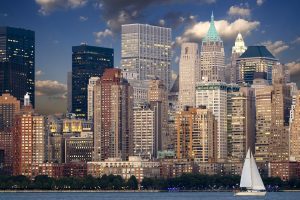
私が住んでいたニューヨーク・マンハッタンの高層マンション44階の部屋のオーナーが、
ベネズエラの銀行家だったことも、当時としては何ら珍しい話ではありませんでした。
金融と人的交流の黄金期
1980〜90年代初頭、ベネズエラ資本は米国の不動産、銀行、証券市場へ
大量に流入しました。富裕層の子弟は米国へ留学し、ニューヨークとカラカスを
行き来する二重生活を送る人も少なくありません。
この時代、米国はベネズエラ最大の貿易相手国であり、
原油輸出の主な行き先でもありました。政治・経済・金融が、
まさに一体化していた関係だったのです。
 イメージ
イメージ
決定的転換点――1998年
流れを一変させたのが、1998年のウゴ・チャベス大統領の誕生でした。
チャベスは反米・反エリート路線を鮮明にし、
銀行家や大企業を「腐敗した特権階級」と断罪。石油や金融などの国有化を進めました。
その結果、国際派エリートは資産没収や国外逃亡を余儀なくされ、
かつての「蜜月」は急速に崩れていきます。
完全断絶へ
チャベス死後のマドゥロ政権下では、経済運営の失敗とハイパーインフレ、
石油産業の崩壊が進行。
米国は制裁と政権承認拒否で対抗し、両国関係は完全に断絶しました。
1991年、ベネズエラはグローバル資本主義の内部にいました。
しかし2020年代、その姿は国際金融から事実上排除された国家です。
私が暮らしたあの一室は、
米国とベネズエラが「同じ経済圏に属していた最後の時代」の
静かな証人だったのかもしれません。
 イメージ
イメージ
今回のベネズエラへの攻撃の背景には多数の要因があると思います。
まや、多くの国(キューバ、ロシア、イランなど)や国際法の専門家は、
今回の軍事行動は ベネズエラの主権への侵害 であり、
国連憲章に違反する可能性があると批判しています。
今後、イランやデンマーク・グリーンランドへの対応を含め
「国際法はいらない」と言う
アメリカ・トランプ大統領の判断が注目されます。
NY
When the U.S. and Venezuela Shared the Same Economic World
— A Manhattan Apartment That Witnessed a Lost Era
In international politics,
today’s enemies were often yesterday’s closest partners.
Few examples illustrate this better than
the relationship between the United States and
Venezuela around 1990.
During the 1970s and 1980s,
Venezuela was one of the world’s leading oil producers and
among the wealthiest nations in Latin America.
Its political system was pro-U.S. and liberal,
and its elites—bankers, entrepreneurs,
and senior officials—were globally oriented.
Owning assets in New York, Miami,
or London was not unusual but expected.
The luxury real estate of Manhattan served as
a safe haven for wealth,
much like it did for elites from pre-revolutionary Iran or
Saudi Arabia. In fact, the owner of the apartment
where I lived on the 44th floor in New York was
a Venezuelan banker—an entirely normal situation at the time.
image
From the 1980s to the early 1990s,
Venezuelan capital flowed heavily into U.S. real estate,
banks, and financial markets.
The United States was Venezuela’s largest trading partner,
and most of its oil exports went to America.
Politically, economically, and financially,
the two countries were deeply intertwined.
Everything changed in 1998 with the election of Hugo Chávez.
His anti-U.S., anti-elite policies,
nationalization of key industries,
and confrontational diplomacy marked a turning point.
What followed was a gradual but
decisive breakdown of relations,
culminating in economic collapse and
sanctions under the Maduro administration.
In 1991,
Venezuela was firmly inside the global capitalist system.
By the 2020s,
it had been largely cut off from international finance.
That Manhattan apartment remains, for me,
a quiet witness to the last era when the U.S.
and Venezuela truly belonged to the same economic world.
I believe there are multiple factors behind the recent attack on Venezuela.
Moreover, many countries—including Cuba, Russia,
and Iran—as well as experts in international law,
have criticized the military action,
arguing that it constitutes a violation of Venezuela’s sovereignty and
may breach the United Nations Charter.
image
Going forward, close attention will be paid to
the decisions of U.S. President Donald Trump,
particularly his stance—suggesting that
“international law is unnecessary”—
as reflected not only in Venezuela
but also in his approach toward Iran and Denmark’s Greenland.