新年に思う事!南米エクアドルの原住民文化を誇り、育てるのは日本のアニメ!
 エクアドル
エクアドル
新年に思う事!南米エクアドルの原住民文化を誇り、育てるのは日本のアニメ!
昨年の暮れ、英字新聞を読んでいると、思わず目を引く
とても興味深い記事に出会いました。
タイトルは「エクアドル先住民、アニメで誇りを育む」。
南米エクアドルに暮らす先住民の若者たちが、日本のアニメ表現に影響を受けながら、
自分たちの文化や言語を次世代に残そうとする取り組みを紹介した内容でした。
 コンドル
コンドル
記事の中心となっていたのは、
短編アニメーション映画『We’re Ays(私たちはアイズ)』です。
この作品は、エクアドル・オタバロ地方に伝わる神話上の戦士アヤと、
アンデスの象徴であるコンドル(力とエネルギーを象徴する鳥)に
見守られながら、仲間たちが冒険を繰り広げる物語です。
この、南米 エクアドルには長い歴史があります。
紀元前1万年頃から人類の営みがあり、さまざまな文明が栄えていました。
15世紀にはインカ帝国に征服されましたが、
後にスペインによるアメリカ大陸植民地化の影響を受けて、
エクアドルもスペインの植民地となります。

こうした歴史を背景に、この物語には、幻想的でありながら、
先住民の精神性や価値観が丁寧に織り込まれています。
私は子どもの頃からテレビで数多くのアニメに親しんできた世代なので、
この話題には自然と心が躍りました。
さらに驚いたのは、この作品の制作者が日本のアニメ、
特に宮崎駿監督の作品から強いインスピレーションを受けたと語っていたことです。
実は私自身、過去に仕事を通じて宮崎駿さんとお話しさせていただいた経験があり、
アニメに対する深い愛情と情熱を持つ方だったことを思い出しました。
少し、余談ですけど、宮崎さんは 話始めると止まらないタイプでした。
途中で、少し私が質問をすると それに対して 長く丁寧に説明してくれました。
制作者には こうしたタイプの方は多いですが、ここまで熱く語る方は
初めての経験でした。
今でもハッキリと記憶に刻まれています。
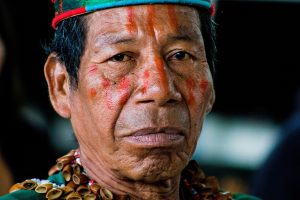 イメージ
イメージ
正直なところ、アニメにはさまざまな活用法があるとは思っていましたが、
はるか遠く離れたエクアドルの先住民族が、自らの歴史や伝統を継承するための
「道具」としてアニメを選んだことには、大きな驚きを感じました。
しかし冷静に考えてみると、視覚的で物語性の高いアニメは、
若い世代に文化を伝える手段として非常に有効なのかもしれません。
調べてみると、アンデス山脈周辺には多くの先住民族が暮らしており、
それぞれが独自の言語や文化を持っています。
単一民族・単一国家という側面が強い日本とは異なり、
エクアドルでは複数の民族が共存し、ときに厳しい選択を迫られています。
映画の中で主人公は、「私たちは二つの選択肢に直面している。
言語や精神性、衣服を封じ込めて消えていくのか、
それとも世界に向かって立ち上がり、自分たちの文化を守るのか」と語ります。
作中には12人のキチュ族の若者が出演し、
スペイン語を話す登場人物も描かれています。
「言語がなければ、人生の意味や私たちのエネルギーは失われてしまう」と
いう言葉は、非常に重く胸に響きました。
現実には、子どもたちがもはやキチュ族の言葉を話せなくなり、
帰属意識や活力を失いつつあるという課題もあります。
だからこそ彼らは、アニメという新しい表現を通じて、
自分たちの存在を世界に示そうとしているのです。
 イメージ
イメージ
こうした複雑で繊細な先住民族文化を守り、育てていく過程に、
日本の文化、そしてアニメが一役買っていることに、私は小さな誇りを感じます。
私たちがまだ知らない世界や、消えゆくかもしれない伝統・文化に、
日本の表現が貢献できるのであれば、それほど嬉しいことはありません。
新年を迎えるにあたり、そんな未来を心から願っています。
続く!
Thoughts for the New Year:
Japanese Anime Nurtures Pride in Indigenous Culture
in Ecuador, South America
At the end of last year, while reading
an English-language newspaper,
I came across a particularly fascinating article that
immediately caught my eye.
Its headline was
“Ecuador’s Indigenous Peoples Cultivate
Pride Through Anime.”
The article introduced an initiative in which
young indigenous people living in Ecuador are striving
to preserve their culture and
language for the next generation,
drawing inspiration from the expressive style
of Japanese anime.
At the heart of the story was a short-animated film titled
We’re Ays.
The film follows a group of young companions
on an adventure, guided by Aya,
a mythical warrior from the Otavalo region of Ecuador,
and watched over by the condor—
an iconic symbol of the Andes that represents strength and
energy.
Ecuador,
in South America, has a long and rich history.
Human activity in the region dates back to around 10,000 BCE,
and numerous civilizations flourished there over time.
In the 15th century,
the area was conquered by the Inca Empire,
and later, as a result of Spain’s colonization of the Americas,
Ecuador became a Spanish colony.
Against this historical backdrop,
the story weaves together fantasy with
the spiritual beliefs and
values of indigenous peoples
in a careful and respectful way.
Having grown up watching countless animated programs
on television,
I naturally felt a surge of excitement
when reading about this project.
What surprised me even more was learning that
the creators openly acknowledged being strongly
influenced by Japanese anime—
particularly the works of director Hayao Miyazaki.
In fact, I myself once had the opportunity to speak
with Mr. Miyazaki through work.
I vividly remember him as someone with
an extraordinarily deep love and passion for animation.
As a brief aside, once he began talking,
he simply wouldn’t stop.
When I asked a question midway,
he responded with a long, thoughtful explanation.
Many creators are passionate, of course,
but I had never encountered anyone
who spoke so fervently and intensely.
That memory remains crystal clear even today.
image
To be honest, I had always believed that
anime could be used in many different ways.
Still, I was genuinely astonished that indigenous peoples
in faraway Ecuador had chosen anime
as a “tool” to pass down their own history and traditions.
Yet, upon reflection, it makes sense: anime,
with its strong visual impact and rich storytelling,
may be an extremely effective medium for
conveying culture to younger generations.
Looking further into the matter,
I learned that many indigenous groups live throughout
the Andean region,
each with its own distinct language and culture.
Unlike Japan, which is often viewed
as a largely homogeneous nation,
Ecuador is home to multiple ethnic groups living side by side,
sometimes facing difficult choices.
In the film, the protagonist says:
“We are facing two choices.
Do we seal away our language, spirituality,
and clothing and disappear,
or do we rise up and face the world
to protect our culture?”
The film features twelve young people from
the Kichwa community,
alongside characters who speak Spanish.
One line in particular struck me deeply:
“Without language,
the meaning of life and our energy will be lost.”
In reality, there is a growing concern that
children are no longer able to speak
the Kichwa language and
are gradually losing their sense of belonging and vitality.
That is precisely why these young people are trying
to show their existence to the world through
a new form of expression—anime.
image
As I reflect on this delicate and
complex process of preserving and
nurturing indigenous cultures,
I feel a quiet sense of pride knowing that
Japanese culture—and anime in particular—
plays a small but meaningful role.
If Japanese forms of expression can contribute to worlds
we have yet to know,
or to traditions and cultures that may otherwise fade away,
nothing could make me happier.
As we welcome the New Year,
this is the future I sincerely hope for.
To be continued!