温泉で出会ったロンドンのシェフが気にしていたのは○○○だった!
 イメージ
イメージ
温泉で出会ったロンドンのシェフが気にしていたのは○○○だった!
若い女性にはファッション?
先日、久しぶりに温泉へ行ったときのことです。
湯船でしっかり温まり、クーリングスペースで休んでいると、
スラッとした背の高い外国人の青年が入ってきました。
物静かで礼儀正しそうな雰囲気の人です。
しばらくすると目が合ったので、
私は思い切って「どこから来たの?」と声をかけてみました。
すると彼は「UK」と答えてくれました。
「ユナイテッド・キングダム?」と聞くと、
「イエス、ロンドンです」と笑顔で返してくれました。
話を聞くと、彼はロンドンでシェフをしており、
今回はニュージーランドから日本に入り、約2週間の旅行中とのこと。
その日はちょうど滞在の折り返しだったようです。
「どうして日本を選んだの?」と尋ねると、
「弟が以前日本を旅行して、とても良かったと勧めてくれたから」と
答えてくれました。
さらに「日本の好きなところは?」と尋ねると、
彼は間髪入れずにこう言いました。
「安心・安全。夜中に一人で歩いても全く怖くないね。
昨日の夜11時過ぎにここへ着いたけど、若い女の子がスマホを見ながら
普通に歩いていたよ!」
日本の治安の良さ は、やはり外国人にとって特別なことなんだなと
再認識しました。
 イメージ
イメージ
すると彼が突然…「これは大丈夫?」と左腕を見せてきた
話が盛り上がっていたところで、
彼はふいに自分の左腕を指差し、こう尋ねました。
「これは大丈夫?」
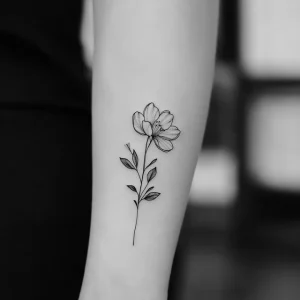
そこには、長さ30センチ・幅10センチほどの
植物の葉をモチーフにしたような、細長く美しいタトゥーが入っていました。
実を言うと、私も最初はちょっと気になりました。
でも最近は、温泉でも海外の若い旅行者がタトゥーを入れているのを
よく見るので、もはや珍しさは感じなくなっています(笑)
しかし、むしろ外国人のほうが気にしているという事実には
少し驚きました。 日本ではいまだに根強い「タトゥー=反社会的」イメージ
日本では長い間、タトゥーは “反社会的なもの” という印象が強くありました。
特に昭和の時代、ヤクザが覚悟や誇りを示すために刺青を入れていた影響があり、
一般社会では「怖い人」というイメージが定着してしまった背景があります。
一方、欧米ではまったく別の文化です。
- ファッション
- 自己表現
- アート
- 生き方の象徴
こうした感覚で受け入れられており、
ビジネスでも許容されるケースが多いと感じています。
スポーツ選手のタトゥーも一般的ですよね。
温泉ではまだ「タトゥーお断り」が多い日本国内の温泉や公共施設には、
今でも「刺青・タトゥーお断り」 の張り紙が多く残っています。
ただ、最近は変化の兆しも見えます。
- 若い世代はタトゥーを“アート”として受け入れつつある
- 東京オリンピック以降、外国人対応として容認の動きが加速
- とはいえ、年配層ではまだ抵抗感が強い
こうした“日本のタトゥー文化の過渡期”を、あらためて実感しました。
ちなみに以前、
両腕にタトゥーを入れている若い女性に話を聞く機会がありました。
理由を尋ねると、「大きな痣やほくろを隠すために入れているんです」
と教えてくれたことがあります。
タトゥーには、見た目以上の背景がある場合もあると気づかされた
出来事でした。
 イメージ
イメージ
ロンドンのシェフが選ぶ「日本の好きな食べ物」とは?
話を再びロンドンのシェフに戻しましょう。
「日本で好きな食べ物は?」と聞くと、
さすがシェフらしく、迷いなくこう言いました。
「食べ物ですね。寿司も焼肉も好き。
特にこれ!というのは無いけど、だいたい何を食べても美味しいです!」
最高の褒め言葉ですね(笑)
最後は「ちょっと寒くなってきたね」と笑いながら、
お互い湯船に戻って温まり、ゆっくりと別れました。
つづく!
image
What the London Chef I Met at the Hot Spring Was
Really Worried About Was… ○○○!
The other day, I went to a hot spring for the first time in a while.
After soaking in the bath and warming up my whole body,
I moved to the cooling area to relax.
Just then, a tall, slender foreign man walked in.
He looked quiet, polite, and well-mannered.
After a moment, our eyes met, so I gathered my courage and asked,
“Where are you from?”
He replied, “UK.”
“United Kingdom?” I asked.
“Yes, London,” he said with a smile.
As we continued talking,
I learned that he works as a chef in London and was currently
on a two-week trip to Japan after visiting New Zealand.
That day happened to be the midpoint of his stay.
When I asked, “Why did you choose Japan?”
He told me,
“My younger brother traveled here before and recommended it.”
Then I asked, “What do you like about Japan?”
Without missing a beat, he said:
“Safety. It’s so safe. I can walk alone at night without worrying.
I arrived here after 11 p.m. yesterday,
and I saw a young girl walking alone,
looking at her phone like it was nothing!”
It reminded me once again
how special Japan’s safety feels to visitors from abroad.
image
Then suddenly, he asked,
“Is this okay?” and showed me his left arm
Just as our conversation was getting lively,
he suddenly pointed to his left arm and asked:
“Is this okay?”
There on his arm was a long, slender, beautifully designed tattoo—
about 30 cm long and 10 cm wide—shaped like a plant leaf.
To be honest, it caught my attention at first too.
But lately, I’ve become so used to seeing young foreign travelers
with tattoos even in hot springs that it no longer surprises me (laughs).
Still, I was a little surprised to see that he was the one worrying about it.
In Japan, tattoos still carry a strong “anti-social” image
For many years in Japan, tattoos have been associated with
an “anti-social” or “dangerous” image.
Especially during the Showa era, tattoos were often linked to the yakuza,
who used them to express pride and resolve,
which led to a lasting stereotype in society.
In contrast, Western countries view tattoos very differently.
They are widely accepted as:
・Fashion
・Self-expression
・Art
・A symbol of one’s lifestyle
In many workplaces, tattoos are even allowed.
And of course, many athletes have tattoos as well.
Many hot springs in Japan still refuse entry to people with tattoos
In Japan, many hot springs and public facilities still display signs that say
“No Tattoos Allowed.”
However, things are gradually changing:
- Younger generations are beginning to see tattoos as art
- Since the Tokyo Olympics,
more facilities have become flexible for foreign visitors - Still, older generations tend to resist the idea
Japan is clearly in a transition period regarding tattoo culture.
image
I once spoke with a young woman who had tattoos on both arms.
When I asked about them, she said:
“I have large birthmarks and scars that I wanted to cover.”
It made me realize that tattoos often have personal stories behind them.
So, what Japanese food does the London chef like most?
Back to the chef.
When I asked, “What’s your favorite Japanese food?”
He answered immediately, just like a true chef:
“The food in general. I love sushi and yakiniku,
but I don’t have a specific favorite.
Almost everything tastes great!”
I couldn’t have asked for a better compliment (laughs).
As the air got a little chilly, we both returned to the bath to warm up,
and eventually said our goodbyes.
To be continued!